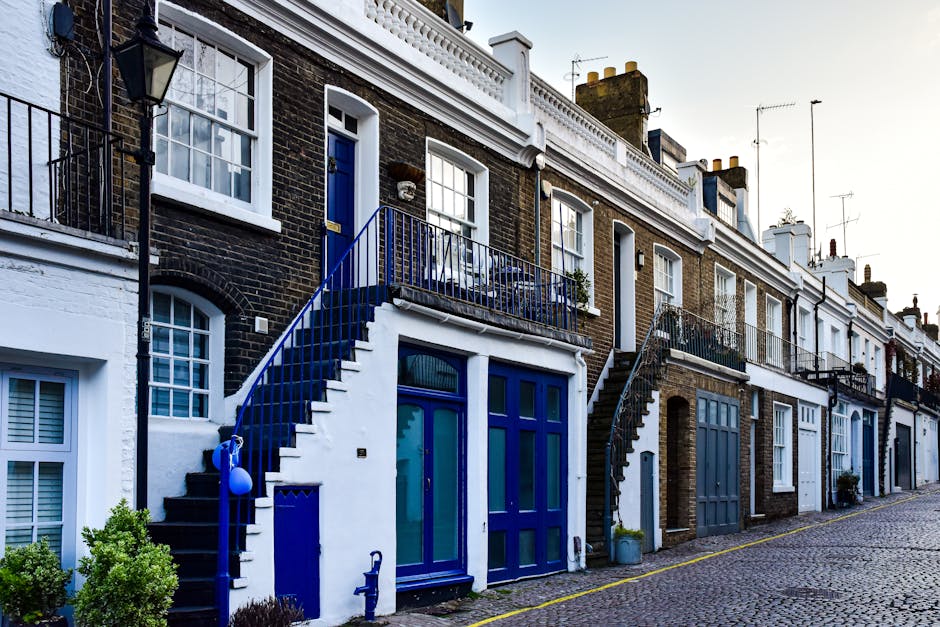
Lavender Hill SW11 removals guide for narrow street moves
If you are planning a move on Lavender Hill, you already know the main challenge is not always the packing. It is the street itself. Tight parking, passing traffic, awkward loading points, and the kind of narrow access that makes even a simple sofa feel like a small puzzle. This Lavender Hill SW11 removals guide for narrow street moves is built to help you plan properly, avoid the usual headaches, and keep the day calm enough to breathe between boxes.
To be fair, a narrow-street move is not automatically difficult. It just needs sharper planning than a standard move on a wide suburban road. Once you understand where the pinch points are, how to load efficiently, and what kind of vehicle works best, the whole thing becomes much more manageable. And yes, there are a few little tricks that can save you a lot of stress.
For readers who want a broader overview of moving support, it can also help to look at home moves, man and van, and the company's pricing and quotes information before you book anything.
Table of Contents
- Why Lavender Hill SW11 removals guide for narrow street moves matters
- How Lavender Hill SW11 removals guide for narrow street moves works
- Key benefits and practical advantages
- Who this is for and when it makes sense
- Step-by-step guidance
- Expert tips for better results
- Common mistakes to avoid
- Tools, resources and recommendations
- Law, compliance, standards, or best practice
- Options, methods, or comparison table
- Case study or real-world example
- Practical checklist
- Conclusion
- Frequently asked questions
Why Lavender Hill SW11 removals guide for narrow street moves Matters
Lavender Hill is one of those places where the street environment can shape the whole moving day. If your removal van cannot pause near the property, if neighbours need access, or if you are dealing with terraced homes and apartment blocks, the margin for error gets smaller very quickly. A narrow street move is less about brute force and more about timing, positioning, and clear communication.
Why does that matter so much? Because every extra minute spent blocking the road, carrying items farther than expected, or re-stacking a half-loaded van slows everything down. It can also increase the risk of damage to furniture, walls, and parked cars. Nobody wants the final memory of moving day to be that one chipped stair corner or a tense exchange with a driver waiting behind you.
There is also the simple reality of London moving logistics. In SW11, a decent plan often matters more than a bigger vehicle. In many cases, a carefully chosen removal van or a flexible man with a van setup is better suited than trying to force a larger truck into a street that was never designed for it. That is not glamourous, but it is the truth.
Key point: On narrow streets, success usually comes from preparation, not speed. If the access plan is right, everything else feels easier.
How Lavender Hill SW11 removals guide for narrow street moves Works
The practical workflow is fairly straightforward. First you assess access. Then you match the vehicle and crew to the space. Then you decide how to protect the property, where to park, and how to move boxes and furniture efficiently from door to van. That sounds simple on paper, and in fairness it mostly is. The hard part is thinking through all the small details before anyone starts carrying a wardrobe downstairs.
A good narrow-street move typically works in five stages:
- Pre-move assessment. Check road width, parking constraints, nearby restrictions, and whether the loading point is likely to stay clear.
- Vehicle choice. Select a van size that can actually work on the street without creating avoidable congestion.
- Access planning. Decide whether one or two people should manage loading, whether items need to be carried in stages, and if doors, bannisters, or corners need protection.
- Loading strategy. Load the largest and heaviest items first, keep essentials reachable, and use the van space intelligently instead of piling things in randomly.
- Arrival and unloading. Reverse the order at the destination, with attention to fragile items and the room-by-room layout.
If the move also involves a property handover, a long carry, or several bulky pieces, using a fuller removal services option or a more experienced removal company can be the smarter call. Not every move needs the same level of support, and that is fine.
A useful way to think about it is this: the move is not just about transport. It is about choreography. One person holds a door, another guides the wardrobe, someone checks the van layout, and someone keeps an eye on the street. Little things, but they stack up.
Key Benefits and Practical Advantages
A properly planned narrow-street move in Lavender Hill can save time, reduce physical strain, and cut down on damage risks. It also makes the day feel far less chaotic, which is honestly worth a lot on its own. Moving is already a lot to manage, even before you are navigating tight roads and trying to keep a kettle from sliding off a dolly.
- Less wasted time. When access is mapped out in advance, the crew spends less time improvising.
- Lower damage risk. Careful carrying and loading help protect furniture, walls, and door frames.
- Better parking decisions. Choosing the right stopping point can avoid awkward last-minute repositioning.
- More suitable vehicle selection. A compact or mid-sized van may be a better fit than a larger vehicle.
- Less neighbour friction. Clear communication and efficient loading reduce disruption for everyone nearby.
- More predictable costs. Fewer delays and fewer surprises often mean a cleaner quote and a smoother final bill.
There is another benefit people often overlook: confidence. When you know the route, the loading order, and the vehicle plan, the whole move feels less like a gamble. You notice it immediately. The day gets quieter in your head.
For extra reassurance around safety, you may also want to read the site's insurance and safety information and the health and safety policy before booking.
Who This Is For and When It Makes Sense
This guide is useful for a few different kinds of movers. If you are moving out of a flat on or near Lavender Hill, it applies to you. If you are shifting a family home with a narrow frontage or limited kerb space, it applies. If you are a landlord helping with a tenancy turnover, same again. And if you are moving a small office or studio workspace, the access issues can be just as tricky, sometimes more so.
It makes particular sense when any of these apply:
- You have limited or no off-street parking.
- Your property is on a busy road with passing traffic.
- Large items need to be carried through a tight hallway or stairwell.
- You are moving at peak times, such as early morning or late afternoon.
- You need to keep disruption low because neighbours are close by.
- You are unsure what size vehicle will actually fit.
There is also a common sense angle. If you only have a handful of items and a short local hop, a simple man and van removals booking may be enough. If the move involves several rooms, delicate furniture, or a difficult loading situation, you might be better off with house movers or a broader house removals service.
Step-by-Step Guidance
Here is the part that usually helps people most. A proper sequence keeps the day tidy. It also stops everyone from making the classic mistake of starting to carry boxes before they have thought through where the van will sit.
- Measure the access points. Check entrance width, stair turns, hallway space, and any tight corners. If your sofa is a beast, measure it twice. Honestly, maybe three times.
- Walk the route from front door to van. Look for bins, parked cars, low walls, and anything that could slow a carry.
- Decide the vehicle size early. A smaller van can sometimes be better than a large one on a narrow street because it parks more easily and loads faster.
- Plan the loading order. Heavy items first, then sturdy boxes, then fragile pieces, then essentials you may need immediately on arrival.
- Protect both properties. Use covers, blankets, and floor protection where needed. Tight streets often mean tighter doorways, and scuffs happen quickly.
- Keep a clear communication chain. One person should make the final call on parking, timing, and when to start moving each piece.
- Allow for a buffer. A small delay for traffic, access, or parking is normal. Build it in rather than pretending it will not happen.
- Unpack essentials first. Put kettle, documents, chargers, bedding, and toiletries somewhere easy to reach.
A tiny but useful tip: keep one "do not bury" bag with keys, medication, a phone charger, snacks, and basic cleaning wipes. On moving day, that bag matters more than you think.
Expert Tips for Better Results
In our experience, the best narrow-street moves are the ones that look boring from the outside. No panic, no shouting, no last-minute van shuffle. Just a tidy process.
- Book a realistic time slot. Avoid peak congestion if you can. Early starts often work better on busy residential roads.
- Pre-pack to reduce carry time. Smaller, well-sealed boxes are easier to move than oversized mixed-weight cartons.
- Disassemble bulky furniture. Bed frames, table legs, and shelving often move more safely when broken down first.
- Protect corners and edges. Narrow hallways and tight stairwells are where accidental knocks happen.
- Use a spotter outside. One person watching the street can save a lot of headaches when reversing or loading.
- Keep the van layout sensible. Heavy items low, fragile items secured, and essentials not trapped underneath everything else.
One very human mistake is assuming everyone will naturally know the plan. They will not. Say it out loud. Then say it again. It feels slightly repetitive, sure, but it works.
If you need help with packing, consider a service such as packing and unpacking services. That can be especially helpful when you are racing the clock or trying to keep fragile kitchenware intact.
Common Mistakes to Avoid
Narrow street removals go wrong in predictable ways. The good news is that most of them are avoidable once you know what to watch for.
- Choosing the wrong van size. Too big and it becomes awkward to park; too small and you waste time on extra trips.
- Ignoring access constraints. A beautiful quote is no help if the vehicle cannot stop safely near the property.
- Packing in a rush. Loose lids, mixed-weight boxes, and overfilled bags tend to cause problems during carry and loading.
- Not protecting the route. Stairs, bannisters, and sharp corners need attention before the first item moves.
- Leaving parking too late. In a busy area, that can be the difference between a smooth start and a long, awkward wait.
- Forgetting the last-mile carry. Even if the van is close, you may still have a long carry from kerb to door.
There is one more mistake that sounds small but creates a surprising amount of stress: not checking what needs to happen at the destination. If the new property has limited access too, the same narrow-street thinking applies twice.
Tools, Resources and Recommendations
You do not need a mountain of specialist kit, but a few practical tools make a genuine difference. The aim is not to turn moving day into a warehouse operation. It is just to make the physical side easier on everybody involved.
| Tool or resource | Why it helps | Best for |
|---|---|---|
| Furniture blankets | Helps prevent scratches and knocks during loading and unloading | Wardrobes, tables, mirrors |
| Straps and ties | Keeps items steady in the van | Mixed loads and long journeys |
| Sturdy boxes | Makes stacking safer and more efficient | Books, kitchenware, documents |
| Floor protection | Reduces scuffs in hallways and entrances | Flats and shared buildings |
| Basic toolkit | Useful for dismantling beds and furniture | Most domestic moves |
| Loading trolley | Reduces strain on heavier items | Appliances, box stacks, office items |
For larger or more complicated jobs, the right vehicle matters too. A moving van can suit many residential moves, while moving truck or removal truck hire may make sense for bigger loads where the street and access allow it. The point is to match the kit to the property, not just to the volume of stuff.
And yes, sometimes the smartest resource is simply a good local team that understands tight London streets and how to work around them without drama.
Law, Compliance, Standards, or Best Practice
For London moves, compliance is mostly about practical responsibility rather than paperwork theatre. You want to move in a way that respects road users, neighbours, building rules, and safety expectations. If parking restrictions, waiting limitations, or loading rules apply in the street, they should be checked in advance. If your building has a management company or concierge, let them know early. No one likes a surprise van outside the front door at 8 a.m.
Best practice usually includes the following:
- Keep access clear for pedestrians and emergency vehicles.
- Do not block entrances, crossings, or shared driveways without permission.
- Use suitable manual handling methods for heavy or awkward items.
- Protect property surfaces during movement.
- Confirm insurance and safety arrangements before booking.
For service expectations, it is sensible to review the company's terms and conditions and the payment and security page. That way, you know how bookings, timings, and payment handling are expected to work. A quick read now can save a messy misunderstanding later.
If you are comparing different providers, it may also help to check removal companies and removal company options so you can judge service level, access support, and flexibility with a bit more confidence.
Options, Methods, or Comparison Table
Not every move on Lavender Hill needs the same setup. Here is a simple comparison to help you think it through.
| Option | Best for | Pros | Trade-offs |
|---|---|---|---|
| Man and van | Small to medium moves, short distances | Flexible, often easier in narrow streets, good for local jobs | May require more hands-on organisation from the customer |
| Removal van with crew | Typical household moves | Balanced choice for access and capacity | Needs careful planning if parking is tight |
| Larger moving vehicle | Bigger inventories or more structured moves | Can reduce trips and handle more volume | May be harder to manoeuvre on narrow roads |
If you are stuck between options, ask yourself one question: what matters more on the day, total capacity or easy access? On a narrow street, access often wins. That is just how it goes.
For a shorter local relocation, a removals service or removals near me search can help you find a practical fit, while removals van support may suit smaller or quicker jobs where simplicity matters most.
Case Study or Real-World Example
Here is a realistic example. A one-bedroom flat off Lavender Hill needs moving on a weekday morning. The street is narrow, parking is limited, and the flat is on the upper floor. The customer originally wanted a large vehicle because it felt safer to "get it all done in one go." Sensible idea, but not always the right one.
After a quick access check, the better plan turned out to be a smaller van with a two-person loading strategy. The sofa was measured in advance, the bed frame was disassembled, and fragile boxes were kept separate. One person stayed outside to watch traffic and guide parking. The move took less time than expected, not because it was easy, but because the team did the hard thinking before moving day.
The interesting part? The customer said the whole thing felt strangely calm. There was the usual bit of shuffling, of course, and one box that nearly became a running joke because it contained nothing but books. But overall, the move worked because the access plan matched the street. That is the real lesson.
Practical Checklist
Use this checklist before the move. It is simple, but it catches a lot of avoidable issues.
- Measure doors, stairs, hallways, and large furniture pieces.
- Confirm where the vehicle can stop safely.
- Check for parking restrictions and loading limitations.
- Tell neighbours or building managers if access may be affected.
- Disassemble bulky furniture where possible.
- Pack fragile items separately and label them clearly.
- Prepare blankets, straps, tape, and a basic toolkit.
- Keep essentials in one clearly marked bag.
- Read booking, payment, and safety terms in advance.
- Build in a small time buffer for delays or awkward access.
If you want reassurance about the company behind the move, you can also review the about us page and the recycling and sustainability approach. Small details, yes, but they help build trust.
Get a free quote today and see how much you can save.
Conclusion
A narrow street move in Lavender Hill SW11 does not need to be stressful. It needs to be thoughtful. Once you plan access properly, choose the right vehicle, and keep the loading process simple, the day becomes much more manageable. You are not fighting the street anymore; you are working with it.
The most reliable removals jobs in tight London roads tend to look ordinary from the outside. That is a good thing. Smooth, steady, and without last-minute chaos. Truth be told, that is exactly what most people want on moving day anyway.
If you are still in the planning stage, take a calm look at your inventory, your access, and the kind of support you actually need. Then book accordingly. A well-handled move can feel like a fresh start, not a battle, and that is the best outcome of all.
Frequently Asked Questions
What makes Lavender Hill SW11 difficult for removals?
The main challenge is narrow road access combined with limited parking and steady local traffic. That can affect where a van stops, how far items need to be carried, and how long loading takes.
Is a small van better than a large truck for a narrow street move?
Often, yes. A smaller van is usually easier to park and position safely on a tight street. A larger vehicle may be better for volume, but only if the road and loading space can realistically handle it.
How early should I plan a narrow-street removal?
As early as you can, ideally once you know your moving date. Early planning gives you time to measure access, sort parking, choose the right vehicle, and prevent last-minute guesswork.
Should I measure my furniture before booking?
Absolutely. Large items such as sofas, wardrobes, bed frames, and dining tables can become a problem if they are not measured against doors, stairs, and corridor turns first.
What if there is nowhere to park near the property?
Then the access plan needs to change. You may need a smaller vehicle, an earlier arrival, a longer carry strategy, or support from a team that is used to awkward loading conditions.
Can a man and van service handle Lavender Hill moves?
Yes, in many cases it can. A man and van style service is often a good fit for local jobs where flexibility matters more than huge capacity.
Do I need help with packing as well as moving?
If you have a lot of fragile items, awkward household pieces, or very little time, packing support can be a real help. It reduces damage risk and makes the loading process quicker.
What is the biggest mistake people make on narrow street removals?
The biggest mistake is probably assuming access will "just work out" on the day. Narrow streets reward planning. If the vehicle, parking, and carry route are not thought through, delays happen fast.
How do I keep neighbours happy during the move?
Be tidy, keep access as clear as possible, avoid unnecessary noise, and keep the loading period as short as you can. A little courtesy goes a long way, especially in close London streets.
Should I read the terms before booking removals?
Yes, it is sensible to read the terms and conditions and the pricing and quotes details before confirming anything. That helps you understand what is included and what to expect.
What if I am moving a business rather than a home?
Then a commercial-focused service may be more suitable. For offices, stock rooms, or workspaces, look at commercial moves or office removals depending on the size and complexity of the job.
How can I tell if a moving company is trustworthy?
Check practical signals such as clear communication, transparent pricing, safety information, and straightforward service terms. You can also review pages like insurance and safety and complaints procedure to see how the company handles accountability.